


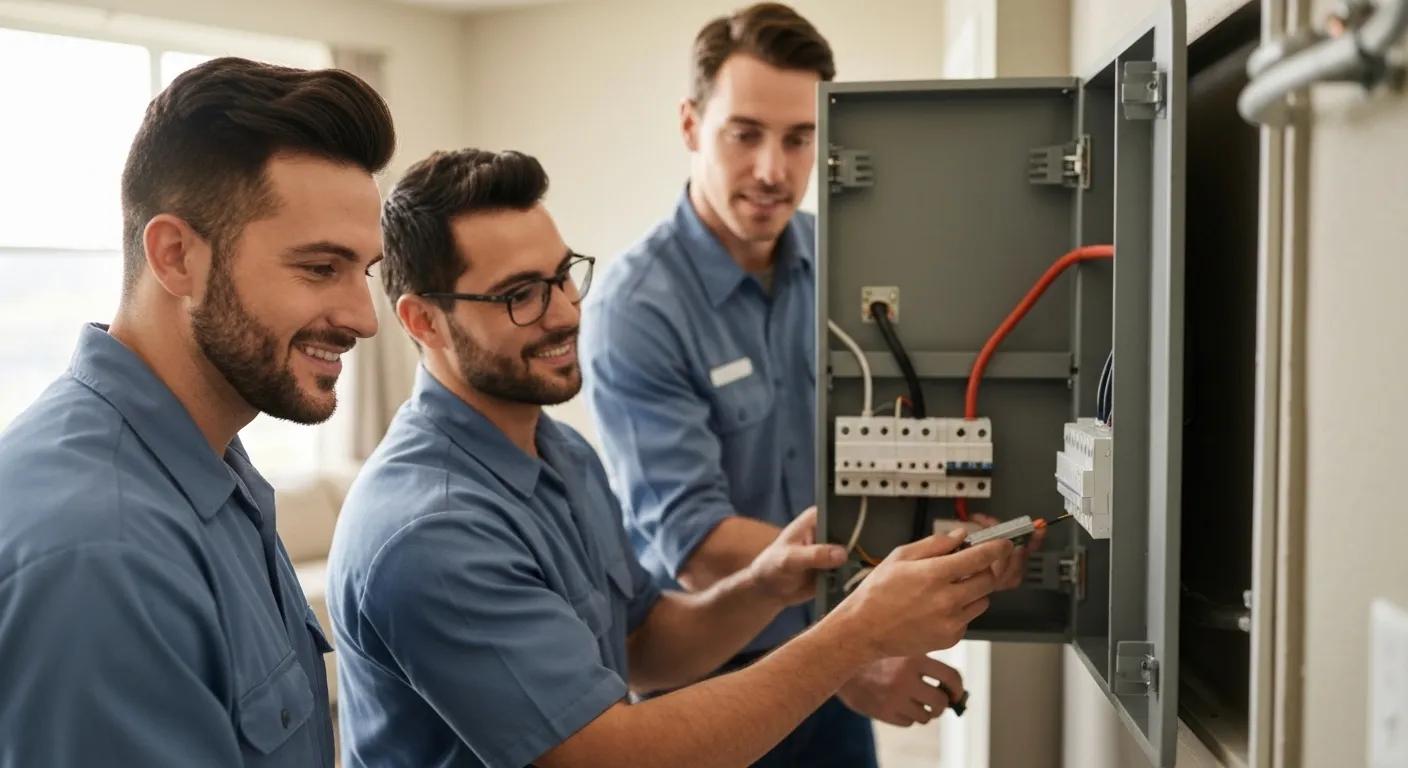
When you need skilled electricians in Fort Bend County, it’s all about finding that perfect balance of safety, code adherence, and prompt service to keep your home or business powered up and secure. This guide will walk you through what licensed electricians do, how to pick the right one, common services for homes and businesses, special upgrades like EV chargers and panel work, and what to expect regarding pricing and service visits. You’ll learn how to spot electrical issues, the crucial safety steps to take, and practical ways to choose a trustworthy contractor, complete with local trust signals and clear pricing examples. We’ll cover how to check credentials and insurance, break down residential and commercial offerings, compare specialized services, give you an idea of pricing factors, and provide straightforward safety advice for Fort Bend County residents and business owners. Throughout, we’ll naturally weave in key phrases like Fort Bend County electrician, electricians in Rosenberg, electricians in Sugar Land, and EV charger installation Fort Bend County to help you hire with confidence, always prioritizing safety and compliance.
How to Find Licensed and Reliable Electricians in Fort Bend County?
Finding licensed and reliable electricians means double-checking their credentials, confirming their local experience, and making sure their pricing and communication are crystal clear to minimize risks and ensure work meets all codes. Always verify a current electrician license because licensed pros demonstrate their competence and commitment to Texas regulations. Check their insurance and bonding to safeguard your property from accidental damage and liability. Ask for recent local references and look for consistent, verifiable reviews from projects in Rosenberg or Sugar Land to ensure they’re familiar with Fort Bend County codes. Confirm their pricing and scheduling practices are transparent before booking to avoid any surprises, and make sure they’re prepared to handle permits and inspections as required by local authorities.
Here are the key things to look for when evaluating electricians in Fort Bend County:
- Confirm they have a current electrician license and ask for the license number.
- Verify they carry liability insurance and bonding to protect your property.
- Review recent local references and public reviews for similar jobs.
- Request clear, written estimates and details on any guarantees or warranties.
- Confirm they are knowledgeable about Fort Bend County permitting and inspection rules.
These checklist items will help you focus your selection on safety, compliance, and predictable results. In the next section, we’ll dive into the specific qualifications and licenses you should be looking for.
What Qualifications and Licenses Should Fort Bend Electricians Have?

Licensed electricians in Texas typically hold credentials that signify thorough training and a solid understanding of electrical codes. This translates directly into safer, code-compliant installations for you. Always ask contractors for their license or registration number and verify it using state or local lookup tools. Also, request proof of liability insurance and worker’s compensation coverage so you’re not held responsible for any injuries. Relevant qualifications often include journeyman or master electrician status, along with records of continuing education that show they’re up-to-date with the latest National Electrical Code (NEC) changes. Verifying these credentials significantly reduces the risk of improper wiring, ensures your work will be permit-ready, and makes post-installation inspections in Fort Bend County much smoother.
Confirming proper licensing is directly linked to verifying an electrician’s ability to pull permits and complete inspected work, which naturally leads us to evaluating providers based on their services and reliability.
Why Choose Fix It Easy for Electrical Services in Fort Bend County?
Fix It Easy offers several key trust signals that exemplify what to look for in a dependable local electrician: certified technicians, straightforward, upfront pricing with absolutely no hidden fees, and genuine human communication to guide you through the entire process. We pride ourselves on fast, on-time service and perform licensed electrical work alongside HVAC and AC services, which is incredibly helpful when jobs require coordination across different systems. Fix It Easy proudly serves Rosenberg, Missouri City, Richmond, Fulshear, and Katy, demonstrating our deep familiarity with Fort Bend County permitting and codes. If you’re looking for a provider that emphasizes clear estimates and direct communication, Fix It Easy is a prime example of those trust signals and offers a straightforward path to request a quote.
This real-world example of trust signals highlights how verifying licenses and ensuring transparent communication reduces risk. Next, we’ll outline how to confirm service availability in your specific town.
Which Areas in Fort Bend County Do Professional Electricians Serve?
Professional electricians serving Fort Bend County focus on towns where quick response times, familiarity with local codes, and established relationships with permit offices are crucial for completing work efficiently. Common service areas include Rosenberg, Missouri City, Richmond, Fulshear, Katy, and Sugar Land. Choosing a local provider means shorter travel times for emergency responses and a higher likelihood they’re experienced with local inspectors. When you call an electrician, be sure to ask if they regularly work in your specific city and if they can provide references for recent projects there to confirm their local knowledge. Confirming their service area ensures faster scheduling, smoother permit processing, and technicians who understand climate-related considerations like outdoor wiring and storm resilience.
Local service coverage is a significant trust signal, which naturally leads us into the range of residential electrical services available throughout the county.
What Residential Electrical Services Are Available in Fort Bend County?

Residential electricians in Fort Bend County offer a wide array of services designed to enhance home safety, restore functionality, and enable modern upgrades. These services involve diagnosing circuits, repairing or replacing components, and ensuring all installations meet NEC and local codes. Typical offerings include outlet and switch repair, circuit breaker and panel maintenance, lighting installation, wiring repairs, GFCI/AFCI installations, and preventative maintenance inspections. You can expect licensed contractors to perform a safety assessment, provide a written estimate, and secure permits when necessary to keep installations compliant and inspected. Understanding these common services helps homeowners prioritize safety upgrades, plan their budgets effectively, and schedule preventative maintenance to avoid costly emergency repairs.
Common residential services include:
- Outlet and Switch Repair: We replace damaged receptacles, correct faulty wiring, and install GFCI or tamper-resistant outlets for enhanced safety.
- Panel and Breaker Services: We repair breakers, perform load assessments, and recommend panel upgrades when your current capacity is insufficient.
- Lighting and Fixture Work: We install interior and exterior lighting, ceiling fans, and energy-efficient LED retrofits to brighten your space.
- Wiring and Circuit Repairs: We diagnose and replace damaged wiring, resolve nuisance tripping issues, and ensure proper grounding and bonding.
Intro to typical residential service comparison table: The table below helps homeowners compare common residential electrical services by typical duration and cost range to set expectations before contacting a contractor.
| Service Type | Typical Time | Typical Cost Range |
|---|---|---|
| Outlet Repair | 0.5–1.5 hours | $75–$200 |
| Circuit Breaker Replacement | 1–2 hours | $120–$400 |
| Lighting Installation (per fixture) | 1–3 hours | $100–$350 |
| Electrical Panel Assessment | 1–2 hours | $150–$400 |
This comparison clarifies typical time and cost ranges, helping homeowners prepare for estimates and decide when to request a professional inspection.
How Do You Identify Common Electrical Problems at Home?
Common home electrical problems often come with clear warning signs: flickering lights, breakers that trip frequently, outlets that feel warm, buzzing sounds, or even burning odors. Each of these symptoms can point to different failure modes that require professional attention. For instance, flickering lights might indicate loose wiring or failing fixtures, while warm outlets often signal overloaded circuits or poor connections that significantly increase fire risk. If you notice arcing, smoke, or persistent shocks, immediately turn off the circuit and call a licensed electrician to prevent harm and code violations. Quick safety measures—like shutting off power at the breaker, unplugging affected devices, and avoiding DIY fixes on live circuits—will protect occupants until a professional can diagnose and repair the issue.
What Electrical Repairs Do Fort Bend County Electricians Perform?
Electricians handle a wide range of repairs, from simple outlet replacements to major wiring and panel work. The process typically involves systematic diagnosis followed by corrective wiring, component replacement, or capacity upgrades. Common repairs include replacing faulty outlets and switches, tightening or replacing breakers, repairing damaged wiring, correcting grounding and bonding issues, and addressing problems with lighting or appliance circuits. More significant repairs often require permits and post-work inspections to verify code compliance. Contractors usually document their work and coordinate with local inspectors. Timely repairs are crucial for reducing safety risks and preventing small faults from escalating into costly outages or fire hazards.
These repair capabilities naturally transition into the value of preventative maintenance for avoiding emergencies.
How Can Preventative Electrical Maintenance Improve Home Safety?
Preventative electrical maintenance is key to identifying wear and potential failures before they lead to outages or fires. Electricians achieve this through thorough inspections, testing, and targeted repairs that maintain the integrity of your electrical system. Routine checks include testing GFCIs and AFCIs, tightening connections in panels and service equipment, inspecting wiring for wear or damage (like from rodents), and verifying load distribution across circuits. Scheduling maintenance annually or when you purchase an older home can significantly reduce the chance of sudden failures and extend the lifespan of your electrical components. Proactive preventative actions lower emergency costs and enhance safety, setting the stage for considering energy-efficient upgrades that also help cut your bills.
Energy-efficient upgrades offer both safety and savings, and the next subsection explores those benefits in detail.
What Are the Benefits of Energy-Efficient Electrical Upgrades?
Energy-efficient electrical upgrades help reduce your energy consumption and operating costs by replacing older, high-draw devices with modern, lower-consumption systems. They also optimize control through smart components that enhance comfort and safety. Examples include LED lighting retrofits, smart switches and thermostats, efficient wiring for high-demand appliances, and timed circuits that reduce peak loads and strain on your electrical panel. These upgrades provide a measurable return on investment through lower electricity bills, reduced replacement frequency, and potential eligibility for local incentives or rebates. Improved efficiency also generates less heat within circuits and panels, contributing to longer equipment life and enhanced safety.
These residential topics naturally bridge to the commercial services that Fort Bend electricians commonly provide for businesses.
Which Commercial Electrical Services Do Fort Bend County Electricians Offer?
Commercial electricians provide large-scale services that prioritize compliance, operational uptime, and seamless coordination with building systems. They apply structured approaches to ensure safety and minimize disruptions to your business operations. Services commonly include service upgrades, lighting retrofits for energy savings, tenant improvement wiring, equipment hookups, and scheduled maintenance for commercial panels and distribution systems. Businesses require thorough documentation, permits, and strict adherence to NEC and local commercial codes. Contractors frequently coordinate with facility managers and HVAC or general contractors for integrated system work. Preventative maintenance and rapid emergency response are absolutely critical for businesses to preserve revenue and ensure occupant safety.
Below are typical commercial service categories in list form to aid business owners in planning.
- Service and Panel Upgrades: We increase capacity and ensure reliable distribution for demanding commercial loads.
- Lighting Retrofits and Controls: We improve energy efficiency and reduce operating costs with advanced LED and control systems.
- Tenant Improvements and Equipment Wiring: We install specialized circuits and power solutions for commercial equipment.
- Preventative Maintenance and Emergency Response: We provide scheduled checks and rapid repairs to minimize costly downtime.
These service types lead naturally into how licensed electricians support commercial safety and code compliance.
How Do Licensed Electricians Support Commercial Electrical Safety?
Licensed commercial electricians ensure safety through formal inspections, strict adherence to the NEC and local amendments, and by providing comprehensive documentation for building managers and inspectors that supports long-term compliance. They perform detailed load calculations, verify grounding and bonding, meticulously label panels, and test protective devices like fuses and circuit breakers to meet all required safety standards. Documentation created during service—including diagrams, permits, and inspection reports—helps facilities demonstrate compliance and simplifies future renovations. These disciplined processes significantly reduce fire risk, limit liability, and maintain uninterrupted operations, which are essential for both commercial tenants and owners.
Documented safety practices directly influence the types of commercial repairs and installations performed.
What Are Typical Commercial Electrical Repairs and Installations?
Commercial jobs often involve higher-capacity equipment and require careful scheduling coordination to minimize operational impacts. Examples include service upgrades, three-phase equipment wiring, emergency lighting systems, and dedicated circuits for HVAC or kitchen equipment. Projects can range from a single upgraded breaker to full-suite tenant fit-outs that necessitate phased work during off-hours to minimize business disruption. Typical timelines depend heavily on project scale but generally require permits, inspections, and close coordination with building management and other trades. Planning for temporary power or staged shutdowns helps businesses maintain continuity while essential electrical work proceeds.
Understanding these installation needs highlights why businesses highly value emergency electrical services.
How Can Businesses Benefit from Emergency Electrical Services?
Emergency electrical services are vital for minimizing downtime and safety exposure during unexpected failures. They provide rapid diagnosis, temporary solutions, and permanent repairs to restore reliable power quickly. Typical scenarios include power loss to critical equipment, sparking panels, or failed backup systems where immediate action is crucial to reduce revenue loss and hazard exposure. Fast response and on-site triage—such as isolating faults or installing temporary feeds—buy valuable time for permanent corrective work. Businesses that maintain emergency plans and service agreements typically recover faster and incur lower total costs when outages inevitably occur.
Preparedness for emergencies ties directly into specialized services that many electricians also provide, such as panel upgrades and surge protection.
What Specialized Electrical Services Are Offered in Fort Bend County?
Specialized electrical services address modern energy demands and resilience needs by delivering higher-capacity distribution, advanced protective systems, and new technologies that seamlessly integrate with homes and businesses. Common specialized offerings include electrical panel upgrades, whole-home surge protection, EV charger installation, and generator installation. Each of these requires technical assessment, permitting, and in some cases, coordination with local utilities. These services enhance capacity, protect sensitive equipment, and enable new loads like EV charging or standby power for outages. Comparing these options helps owners decide which investments best align with their safety priorities and long-term value goals.
Intro to specialized services comparison table: The table below outlines specialized services with permit needs, typical duration, and core benefits to guide decision-making.
| Specialized Service | Permit Needs | Typical Duration | Primary Benefit |
|---|---|---|---|
| EV Charger Installation | Often required | 3–8 hours | Enables convenient home EV charging |
| Electrical Panel Upgrade | Required | 1–3 days | Increases capacity and safety for modern loads |
| Whole-Home Surge Protection | May require permit | 2–4 hours | Protects electronics and appliances from surges |
| Generator Installation | Required | Several days | Provides reliable backup power during outages |
This comparison clarifies the permit and time expectations for specialized upgrades and leads into specifics on panel upgrades.
How Does Electrical Panel Upgrade Enhance Home and Business Safety?
A panel upgrade significantly increases your service capacity and replaces aging equipment that can overheat, trip, or fail under the demands of modern electrical loads, thereby reducing fire risk and enabling safer operation of high-demand appliances. Signs you might need an upgrade include frequent breaker trips, using multiple power strips, or a panel that lacks modern protective devices. An upgrade involves installing correctly rated breakers, improving busbar connections, and potentially including service mast or meter changes. The upgrade process typically involves an assessment, permit acquisition, a scheduled shutdown, component replacement, and a final inspection to certify compliance. Upgrading resolves capacity constraints and dramatically reduces the likelihood of nuisance tripping or dangerous overheating.
Upgraded panels are often paired with surge protection to maximize equipment safety.
What Are the Advantages of Whole Home Surge Protection?
Whole-home surge protection safeguards your electrical service entrance and all downstream circuits from damaging voltage spikes caused by lightning, utility switching, or large motor starts. It offers much broader defense than individual outlet-level surge strips. By installing a service-rated surge protector at the main panel, electricians significantly reduce the likelihood that surges will damage appliances, HVAC systems, and sensitive electronics throughout your property. These devices extend the lifespan of your valuable equipment and can provide insurance alignment and invaluable peace of mind for homeowners and businesses alike. When combined with proper grounding and bonding, whole-home protection forms a comprehensive strategy to minimize surge-related losses.
Surge protection often complements EV charger installations, which follow a defined multi-step process described next.
How Is EV Charger Installation Handled by Fort Bend Electricians?
EV charger installation begins with a thorough site assessment to verify electrical capacity, determine the required circuit sizing, and identify the optimal charger placement. The process then moves through permitting, professional installation, and final inspection to ensure complete safety and compliance. Electricians perform a detailed load calculation to determine if a dedicated circuit or a panel upgrade is necessary, obtain permits from local authorities, install the charger hardware and dedicated wiring, and arrange for the final inspection and commissioning. Typical installations can take a few hours to a full day, or longer if a panel upgrade or trenching is required. Proper installation enhances convenience while enabling lower-emission transportation. Careful planning reduces surprises and ensures the EV charger integrates safely with your home’s electrical system.
EV charging installations tie into generator options when backup power or off-grid capability is desired.
What Should You Know About Generator Installation Services?
Generator installation requires careful selection between portable and standby systems, integration via a transfer switch, and strict adherence to permitting and local code requirements, as improper installation can pose serious carbon-monoxide and electrical hazards. Standby generators provide automatic, whole-home backup power and require professional sizing, fuel planning, concrete pad installation, and transfer-switch coordination with the main panel. Portable generators are less expensive but demand safe manual connection strategies and cannot substitute for a permanently installed standby unit for whole-home loads. Ongoing maintenance, including load testing and scheduled service, is essential to ensure reliable operation when outages occur and to preserve warranty coverage.
Generator and EV projects often affect pricing, which is explained in the next section.
How Much Do Professional Electricians Charge in Fort Bend County?
Electrician pricing in Fort Bend County naturally varies based on job complexity, materials used, permit requirements, travel distance, and timing. Understanding common pricing models helps homeowners and businesses compare bids effectively and identify transparent practices. Typical pricing models include flat fees for clearly defined tasks, hourly labor plus materials for diagnostics and repairs, and project-based quotes for larger installations like panel upgrades or generator installs. Key cost drivers include labor rates, the quality of parts used, permit fees, any panel or conduit work required, and whether service is scheduled or an emergency call. Requesting written estimates that break down labor, parts, permit fees, and warranty terms is the most effective way to ensure pricing transparency and avoid hidden costs.
Intro to pricing factors table: The table below shows pricing factors with typical models and example price ranges to clarify influences on electrician quotes.
| Pricing Factor | Pricing Model | Typical Price Range |
|---|---|---|
| Simple Repairs (outlet, switch) | Flat fee or hourly | $75–$250 |
| Panel or Service Upgrades | Project-based | $1,200–$4,000+ |
| EV Charger Installation | Flat fee or project | $300–$1,200+ |
| Emergency Service | Hourly with premium | +25–50% after-hours surcharge |
This table helps homeowners anticipate which elements most influence final quotes and leads into more detail on specific cost drivers.
What Factors Influence Electrical Service Pricing in Fort Bend County?
The primary factors influencing pricing include the scope and complexity of the job, the quality of materials and equipment, permit and inspection fees, travel distance, and whether services are needed during emergency hours. Complex projects such as three-phase wiring, panel upgrades, or extensive conduit runs require more labor and specialized materials, naturally increasing costs. Conversely, simple outlet replacements usually take less time and cost less. Permit requirements add fixed fees and administrative time, while emergency or after-hours calls often include premium rates to reflect rapid response and technician availability. Understanding these drivers enables homeowners to compare quotes on an apples-to-apples basis and ask targeted questions about materials, labor hours, and permit handling.
Knowing pricing drivers leads to examples of transparent-pricing practices, including how Fix It Easy approaches estimates.
How Does Fix It Easy Ensure Transparent and Upfront Pricing?
Fix It Easy exemplifies transparent pricing by providing detailed written estimates that clearly separate labor, parts, and permit fees. We are committed to upfront cost communication with absolutely no hidden fees, which is a practical best practice for local service providers. Our company emphasizes clear, human communication during scheduling and estimating so customers fully understand the scope and expected costs before any work begins. Requesting a written quote that lists line-item costs and warranty terms helps homeowners compare offers and verify that the estimate matches the final invoice. If you prefer a provider that prioritizes clear estimates and straightforward billing, asking for itemized quotes and written guarantees mirrors the transparent approach Fix It Easy promotes.
This discussion of transparency sets expectations for emergency-service cost differences and mitigation strategies.
Are Emergency Electrical Services More Expensive?
Emergency electrical services are typically more expensive because they require immediate technician dispatch, after-hours labor premiums, and rapid resource allocation, which naturally increases labor and sometimes parts costs. Examples include late-night panel failures, sparking outlets, or post-storm system issues that require immediate stabilization to ensure safety. These scenarios often trigger emergency rates. To reduce the frequency of emergencies, homeowners should schedule preventative maintenance, respond promptly to warning signs, and address minor faults before they escalate into urgent problems. By planning maintenance and upgrades proactively, property owners can lower the likelihood of premium emergency charges while preserving safety.
Reducing emergencies and clarifying pricing both stem from following practical safety tips outlined next.
What Are the Key Electrical Safety Tips for Fort Bend County Homeowners?
Key safety tips for homeowners focus on preventing overloads, ensuring protective devices are installed correctly, and scheduling professional inspections to minimize fire and shock hazards. These steps work by eliminating known failure modes and ensuring protective systems operate as intended. Always avoid overloading extension cords and circuits, install GFCI outlets where required in wet areas, and ensure AFCI protection in sleeping areas and on modern circuits to reduce arc-fault fire risk. Regular inspections by a licensed electrician are crucial for identifying loose connections, degraded insulation, or improper DIY work that can lead to hazards. Prioritizing these protections reduces both immediate risk and long-term repair costs, complementing your maintenance and upgrade efforts.
Top practical electrical safety measures:
- Avoid Overloading Circuits: Distribute electrical loads wisely and avoid plugging multiple high-draw appliances into a single circuit.
- Install GFCIs and AFCIs: Use these essential protective devices in required locations to prevent shocks and arc-fault fires.
- Schedule Regular Inspections: Annual or pre-purchase inspections are vital for identifying hidden hazards.
- Use Licensed Electricians for Major Work: Ensure compliance and warranty protection by hiring professionals for significant tasks.
Implementing these measures helps prevent hazards and informs your decisions about when to call a professional.
How Can You Prevent Electrical Fires and Hazards at Home?
Preventing electrical fires involves eliminating ignition sources such as overloaded circuits, faulty wiring, and degraded insulation, and utilizing protective devices that interrupt dangerous conditions before they escalate. Regularly inspect cords and plugs for any damage, avoid running cords under carpeting, and ensure outlets are not warm to the touch, as this indicates an overloaded or loose connection. Install smoke alarms and maintain clear access to your electrical panel so circuits can be shut off quickly during an emergency. Combining these actions with scheduled professional inspections substantially lowers the probability of electrical fires and significantly improves occupant safety.
These preventive measures lead into guidance on when to call a professional rather than attempting DIY fixes.
When Should You Call a Professional Instead of DIY Electrical Work?
Always call a licensed electrician for any work that involves wiring inside walls, panel or service changes, circuit modifications, or when permits and inspections are required. These tasks directly impact safety and code compliance. Examples include panel upgrades, replacing breakers, running new circuits for appliances, or installing EV chargers and generators. Attempting these projects without proper training risks code violations and serious hazards. Smaller, non-wiring tasks like changing a lamp bulb or replacing a plug-in device can often be handled as DIY, but always disconnect power first and never work on live circuits. Choosing a professional ensures proper permitting, inspection readiness, and warrantyable workmanship that protects both occupants and property value.
Understanding code requirements helps homeowners and businesses prepare for compliant work.
What Are the Latest Electrical Code Requirements in Fort Bend County?
Important code areas for homeowners include GFCI and AFCI protection in required locations, proper panel labeling, and adherence to NEC provisions incorporated by local authorities. Electricians must stay current with recent NEC updates to ensure compliant installations. For specific, authoritative requirements, always consult your local permitting offices. In general, modern codes expand protective device mandates, clarify grounding and bonding practices, and tighten rules for outdoor and wet-location equipment. Contractors typically reference the NEC and local amendments when preparing permits and should explain applicable requirements during the estimate. Keeping codes in mind during planning reduces rework and inspection delays.
Code awareness ties into what to expect when hiring a professional electrician, described next.
What to Expect When Hiring a Professional Electrician in Fort Bend County?
Hiring a professional electrician follows a predictable workflow: initial contact and assessment, written estimate and permit planning, scheduled work and safety checks, final inspection and documentation, and follow-up support or warranty coverage. Expect a site visit for a thorough assessment that feeds into a detailed, itemized estimate. Once agreed upon, the electrician schedules the work, secures permits where required, and completes the job with testing and documentation for inspections. Post-installation, the electrician should provide a list of completed work, safety test results, and any warranty or maintenance guidance. Understanding this process enables homeowners and businesses to set realistic timelines and to verify that all code and safety obligations are met.
How Does Fix It Easy Handle Electrical Service Requests?
Fix It Easy outlines a customer-focused process that emphasizes fast, on-time service and genuine human communication to set clear expectations for scheduling, assessment, and quoting. This approach models a clear client experience. Customers can expect prompt contact with a human representative, a technician visit for assessment, and a written estimate that clearly outlines the scope and pricing to avoid surprises. The company positions itself to serve Rosenberg, Missouri City, Richmond, Fulshear, and Katy, supporting local response expectations and familiarity with Fort Bend County permitting. If you prefer a provider that highlights transparent estimates and scheduled response, requesting an itemized quote and confirming their service area mirrors the Fix It Easy process.
What Is the Typical Process for Electrical Repairs and Installations?
A typical repair or installation process begins with a diagnostic assessment, followed by a written estimate and scheduling. Then comes the execution of work, adhering to safety practices and code requirements, and finally, final testing and inspection to confirm functionality. Technicians perform isolation and safety checks before starting, coordinate any required shutdowns with occupants, and complete work using documented wiring practices and clearly labeled panels. After the job, they run functional tests, document all changes, and prepare inspection-ready paperwork if permits were required. This stepwise approach ensures predictable outcomes and aligns with local inspection requirements.
How Do Customer Testimonials Reflect Service Quality?
Customer testimonials best reflect service quality when they are recent, specific about the work performed, include descriptions of timeliness and communication, and, when possible, are accompanied by photos or verifiable project details. Look for mentions of on-time arrivals, clarity in pricing, successful permit handling, and post-job support to assess reliability. Cross-check testimonials across multiple platforms and request references for large projects to validate claims. Evaluating reviews in this way helps you distinguish contractors who consistently deliver safe, compliant electrical work from those with sporadic performance.
Frequently Asked Questions
What are the common causes of electrical fires in homes?
Electrical fires in homes are often caused by overloaded circuits, faulty wiring, and the use of damaged electrical appliances. Other contributing factors include improper use of extension cords, lack of maintenance on electrical systems, and failure to install protective devices like GFCIs and AFCIs. Regular inspections and maintenance can help identify potential hazards before they escalate into dangerous situations. Homeowners should also ensure that smoke detectors are installed and functioning properly to provide early warnings in case of a fire.
How can I improve the energy efficiency of my home’s electrical system?
Improving the energy efficiency of your home’s electrical system can be achieved through several strategies. Start by replacing incandescent bulbs with LED lighting, which uses significantly less energy. Installing smart thermostats and energy-efficient appliances can also help reduce consumption. Additionally, consider upgrading your electrical panel to handle modern loads more effectively. Regular maintenance, such as checking for loose connections and outdated wiring, can further enhance efficiency and safety, ultimately leading to lower utility bills.
What should I do if my circuit breaker keeps tripping?
If your circuit breaker keeps tripping, it indicates an underlying issue that needs to be addressed. First, unplug any devices connected to the affected circuit to see if the breaker resets. If it continues to trip, there may be an overload, a short circuit, or faulty wiring. Avoid resetting the breaker repeatedly, as this can lead to further damage or fire hazards. It’s best to contact a licensed electrician to diagnose and resolve the issue safely and effectively.
Are there specific electrical upgrades that can increase home value?
Yes, certain electrical upgrades can significantly increase your home’s value. Installing energy-efficient lighting, modern electrical panels, and smart home technology can appeal to potential buyers. Upgrading to whole-home surge protection and adding EV charging stations are also attractive features in today’s market. These improvements not only enhance safety and efficiency but also demonstrate a commitment to modern living, making your property more desirable to prospective buyers.
What are the benefits of hiring a licensed electrician over a handyman?
Hiring a licensed electrician offers several advantages over a handyman. Licensed electricians have undergone extensive training and are knowledgeable about local codes and safety regulations, ensuring that all work is compliant and safe. They also carry liability insurance, protecting you from potential damages during the job. Additionally, licensed electricians can pull necessary permits and conduct inspections, which is crucial for larger projects. This expertise minimizes risks and ensures high-quality workmanship, providing peace of mind for homeowners.
How can I prepare for an electrician’s visit?
To prepare for an electrician’s visit, start by identifying the specific issues or projects you need assistance with. Make a list of questions and concerns to discuss during the appointment. Clear the work area of any obstacles to allow easy access to outlets, panels, or fixtures. If possible, gather any relevant documentation, such as previous inspection reports or warranties. Being organized and communicative will help the electrician understand your needs and complete the work efficiently.
What should I do if I notice a burning smell from an electrical outlet?
If you notice a burning smell coming from an electrical outlet, it’s crucial to act quickly. Immediately turn off the power to that outlet at the circuit breaker and unplug any devices connected to it. Do not attempt to use the outlet until it has been inspected. Burning smells can indicate overheating, faulty wiring, or a short circuit, all of which pose serious fire hazards. Contact a licensed electrician as soon as possible to diagnose and resolve the issue safely.
What should I do if I experience an electrical emergency at home?
If you encounter an electrical emergency, such as a power outage, sparking outlets, or burning smells, the first step is to ensure your safety. Immediately turn off the power at the circuit breaker and unplug any affected devices. Avoid using water or attempting to fix the issue yourself. Contact a licensed electrician right away to assess the situation and perform necessary repairs. Having a list of emergency contacts, including your electrician, can help you respond quickly in such situations.
How often should I schedule electrical inspections for my home?
It is recommended to schedule electrical inspections at least once every three to five years for most homes. However, if you live in an older home, have recently completed renovations, or notice any electrical issues, more frequent inspections may be necessary. Regular inspections help identify potential hazards, ensure compliance with current codes, and maintain the safety and efficiency of your electrical system. Additionally, consider scheduling an inspection before purchasing a new home to uncover any hidden electrical problems.
What are the signs that I need to upgrade my electrical panel?
Signs that you may need to upgrade your electrical panel include frequent circuit breaker trips, flickering lights, or the use of multiple power strips to accommodate your electrical needs. If your panel is outdated or unable to handle modern electrical loads, it can pose safety risks and lead to inefficient power distribution. Additionally, if you plan to add high-demand appliances or an electric vehicle charger, an upgrade may be necessary to ensure safe and reliable operation.
Are there any energy-saving benefits to upgrading my electrical system?
Yes, upgrading your electrical system can lead to significant energy savings. Modern electrical panels and energy-efficient appliances reduce energy consumption and improve overall system efficiency. Installing LED lighting, smart thermostats, and energy-efficient outlets can further lower your utility bills. Additionally, an upgraded system can better handle the demands of high-efficiency appliances, reducing the risk of overloads and extending the lifespan of your electrical components.
What should I consider when choosing an electrician for specialized services?
When selecting an electrician for specialized services, consider their experience and expertise in the specific area you need, such as EV charger installation or generator setup. Verify their licensing and insurance, and ask for references from previous clients who had similar work done. Additionally, inquire about their familiarity with local codes and permitting processes, as this can impact the quality and compliance of the work performed. Clear communication about pricing and timelines is also essential for a successful project.
How can I ensure my electrical work is compliant with local codes?
To ensure your electrical work complies with local codes, always hire a licensed electrician who is familiar with the regulations in your area. They should obtain the necessary permits before starting any work and conduct inspections as required. Additionally, you can familiarize yourself with local codes by consulting your local building department or electrical authority. Keeping abreast of any changes in regulations can also help you maintain compliance during renovations or upgrades.
What are the benefits of hiring a local electrician in Fort Bend County?
Hiring a local electrician in Fort Bend County offers several advantages, including familiarity with local codes, regulations, and permitting processes. Local electricians are often more responsive and can provide quicker service, especially in emergencies. They also understand the specific electrical needs and challenges of the area, which can lead to more effective solutions. Additionally, supporting local businesses contributes to the community’s economy and fosters trust and accountability in service delivery.
Conclusion
Choosing a licensed electrician in Fort Bend County ensures safety, compliance, and quality service for both residential and commercial needs. By understanding the key criteria for selection, including verification of credentials and transparent pricing, you can make informed decisions that protect your property and investment. Don’t hesitate to reach out for a consultation or request a quote to experience the benefits of professional electrical services. Explore our trusted network of electricians today to find the right fit for your project.
Conclusion
Engaging a licensed electrician in Fort Bend County guarantees adherence to safety standards and compliance with local regulations, ensuring quality service for your home or business. By prioritizing the verification of credentials and transparent pricing, you can confidently select a contractor that meets your specific needs. Take the next step towards a safer electrical system by requesting a consultation or quote today. Discover our network of trusted electricians to find the perfect match for your project.